
A First-Time Traveler’s Guide to Tokyo: Neighborhoods, Food, and Everyday Etiquette
A First-Time Traveler’s Guide to Tokyo: Neighborhoods, Food, and Everyday Etiquette
Classification: Asia
Tokyo can feel enormous on a first visit: a city of quiet shrine paths, neon crossings, local shopping streets, efficient trains, and countless places to eat. The good news is that you do not need to understand all of Tokyo at once. A thoughtful first trip is less about checking every attraction off a list and more about learning the city’s rhythm—how neighborhoods change from one station to the next, how meals are ordered, and how small acts of consideration make daily travel smoother.
This guide offers a practical, respectful introduction to Tokyo. It covers where to begin, what to eat, how to move around, and the everyday etiquette that helps visitors feel welcome. Use it as a framework, then leave room for unplanned discoveries: a tiny bakery, a peaceful garden, or a side street that looks especially inviting.
Before You Go: Build a Flexible Plan
Tokyo rewards planning, but an overpacked schedule can turn a memorable day into a race between train platforms. Group your plans by area instead of crossing the city repeatedly. For example, combine Asakusa and Ueno, or Shibuya and Harajuku, while keeping one nearby backup activity for rain or fatigue.
Choose accommodation near a railway or subway station, but do not assume the largest station is always the best choice. A smaller, well-connected neighborhood may offer calmer evenings and easier mornings. Save your hotel address in Japanese characters and keep a screenshot available in case your phone has trouble connecting.
Pack comfortable shoes, layers, and a small bag for personal rubbish. Public bins can be limited, so travelers often carry wrappers until they find an appropriate place to dispose of them. A reusable water bottle is useful, and a compact umbrella can be worthwhile during unsettled weather. Check current entry, transport, health, and payment guidance before departure because practical travel rules can change.
Tokyo Neighborhoods Worth Knowing
Tokyo is best understood as a collection of distinct areas rather than one uniform center. Each neighborhood has a different pace and personality, so choose a few that match your interests.
Asakusa: Tradition and a Slower Start
Asakusa is a comfortable introduction to historic Tokyo. Begin near Senso-ji, where the approach to the temple is lined with shops and food stalls. Go early if you would like a quieter atmosphere, then wander beyond the main approach into residential lanes and traditional craft shops. The area is also a convenient base for a riverside walk and views toward Tokyo Skytree.
Remember that a temple is a place of worship, not only a photo backdrop. Follow posted instructions, keep your voice low in prayer areas, and avoid blocking paths while taking pictures. You can enjoy the architecture without treating every ceremony as a performance.
Ueno and Yanaka: Museums, Markets, and Old Tokyo
Ueno brings together museums, a large park, casual dining, and lively shopping streets. It works well on a rainy day because several indoor attractions are close to transit. Nearby Yanaka has a more residential feel, with narrow streets, small temples, independent stores, and a pace that contrasts with the major commercial districts.
This is a good area for slow exploration. Rather than trying to visit every museum, select one or two that genuinely interest you and leave time for a café or neighborhood walk. In smaller shops, check whether photography is welcome before taking pictures of displays or customers.
Shibuya and Harajuku: Energy, Design, and Youth Culture
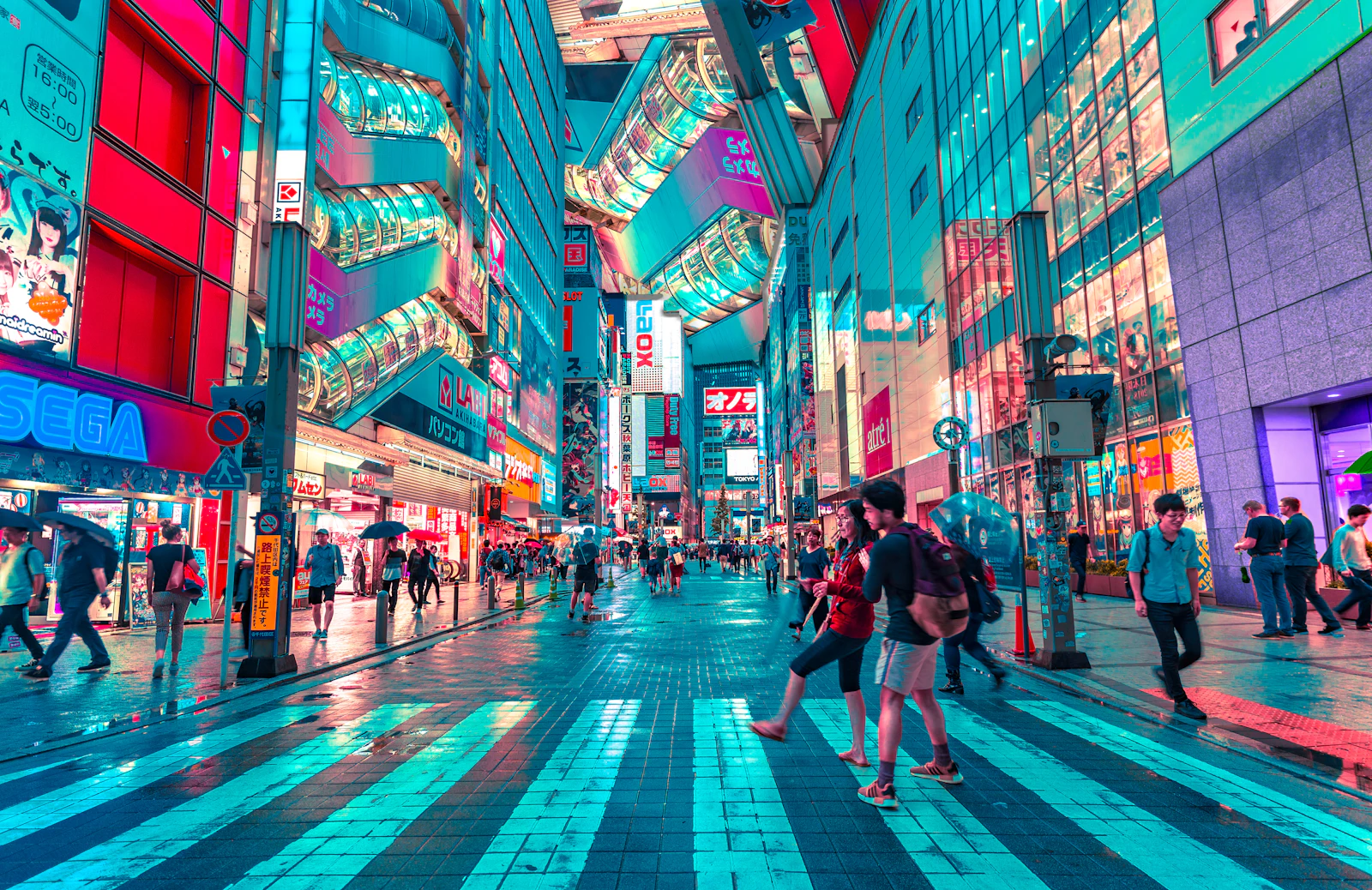
Shibuya is famous for its busy crossing, but the district is much more than a single viewpoint. Explore department stores, record shops, design spaces, cafés, and quieter streets a few minutes from the main intersection. Visit the crossing from a safe public viewpoint and follow pedestrian signals instead of stepping into traffic for a better photograph.
Harajuku offers fashion, creative retail, and access to the forested grounds around Meiji Jingu. The contrast between crowded commercial streets and the shrine’s calm paths is part of the area’s appeal. Wear shoes suitable for walking and remember that shrine grounds may include ceremonies or worshippers who value privacy.
Shinjuku: A Nighttime Hub with Many Moods
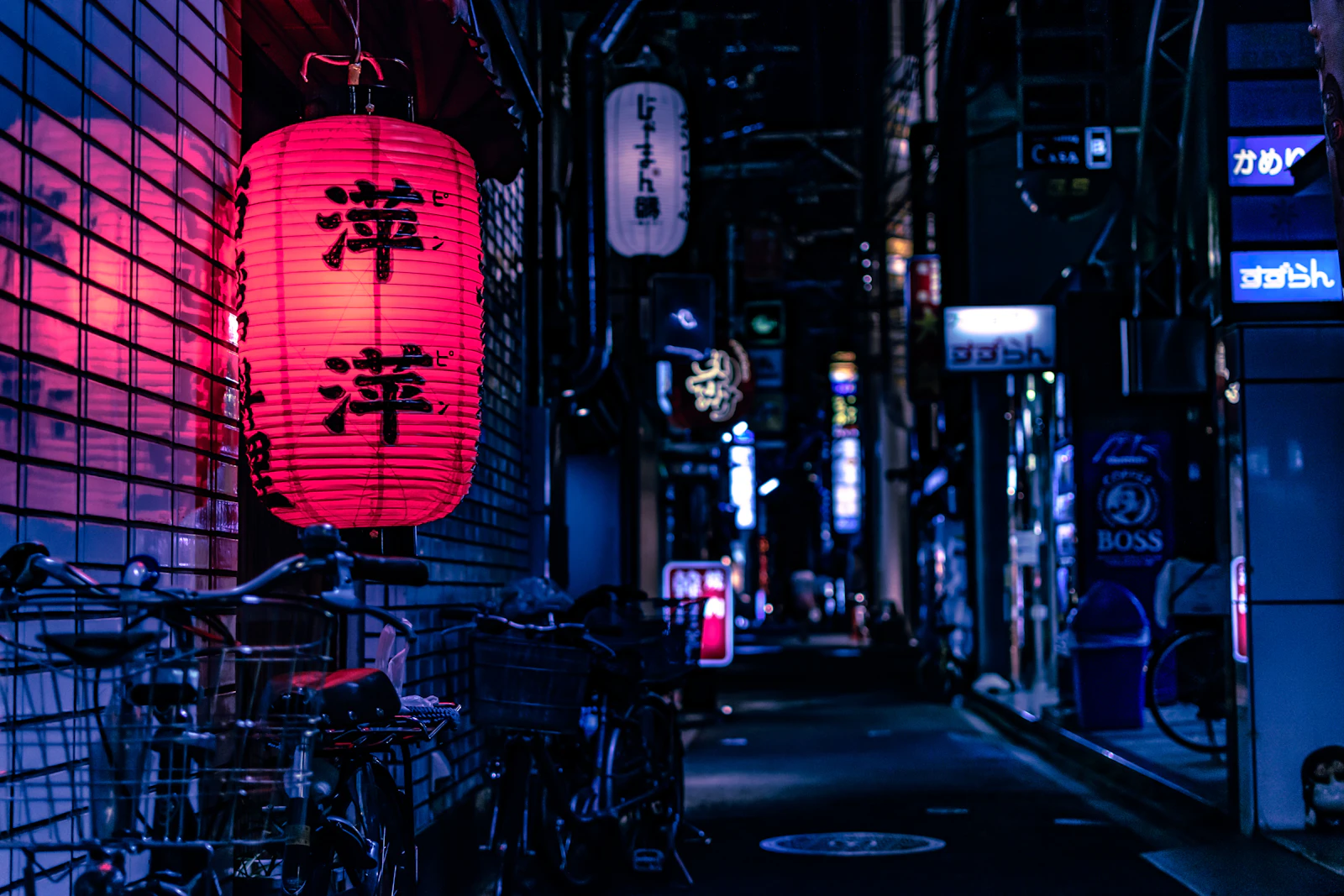
Shinjuku can be dazzling and confusing, especially after dark. It has major department stores, gardens, restaurants, entertainment venues, and compact alleys filled with small eateries. The district is useful for travelers who want late-evening options, but it is wise to decide where you are going before leaving the station.
Keep your belongings close in busy areas, be cautious of anyone aggressively inviting you into a bar or club, and check the full conditions before accepting an offer. A polite “no, thank you” and continuing toward a venue you selected yourself is usually the best response.
Ginza and Tokyo Station: Polished Shopping and Architecture
Ginza is a strong choice for department stores, galleries, established restaurants, and beautifully designed streets. Tokyo Station and the surrounding Marunouchi area combine historic architecture with offices, shops, and broad avenues. These districts are easy to pair with a planned meal or an evening stroll, particularly if you prefer a more polished urban setting.
What to Eat on a First Visit
Tokyo’s food culture is broad enough that you can eat well at many budgets and levels of formality. Start with curiosity rather than a rigid list of “must-eat” dishes.
Food allergies require preparation. Carry a clearly written Japanese explanation of your allergy, ask detailed questions, and understand that cross-contact may still be possible. Vegetarian, vegan, halal, and gluten-free dining is easier when researched in advance, but never assume that a dish is suitable based only on one ingredient. Broths, sauces, and cooking methods matter.

Everyday Etiquette That Makes Travel Easier
Tokyo’s etiquette is not a test you can fail, and visitors are not expected to know every custom. A few habits show consideration and prevent common misunderstandings.
Keep Public Spaces Calm
Trains and platforms can be crowded. Stand behind marked lines, let passengers exit before boarding, and keep backpacks from hitting others. On busy trains, move bags to the floor or a luggage area when appropriate. Phone calls are generally better avoided on public transport; use headphones at a low volume and keep conversations quiet.
Escalators may have local standing conventions, but these can vary by place and change during crowded periods. Follow signs and the behavior of people around you without blocking the full width of the escalator.
Respect Shoes, Queues, and Shared Spaces
Some restaurants, homes, temples, and traditional facilities require shoes to be removed. Wear clean socks and follow the boundary between outdoor and indoor footwear. Queue where others are queuing, and do not save places for a large group in a narrow public area.
At restaurants, wait to be seated if that is the custom, avoid lingering after a small venue has finished serving you, and keep your table tidy. Tipping is not generally expected in ordinary Japanese restaurants; simply paying the bill as instructed and thanking the staff is appropriate. If a service charge or other fee is listed, read the explanation before ordering.
Photograph with Permission and Awareness
Ask before photographing people, especially performers, shopkeepers, children, or anyone engaged in worship. Some businesses prohibit photography or restrict where cameras may be used. Do not use a flash in museums or sacred spaces unless clearly permitted. A respectful photograph is better than one that interrupts someone’s work or private moment.
Handle Money and Waste Thoughtfully
Cashless payment is common, but not universal. Carry a backup payment method and keep small amounts organized. When paying, place money in the designated tray if one is provided rather than handing it directly across the counter.
Do not leave rubbish beside vending machines, shrines, or shop entrances. If you cannot find a bin, carry it until you return to your accommodation or locate an appropriate disposal point. Separate recyclables when signs request it.
A Practical Five-Day First-Timer Itinerary
Day 1: Asakusa and Ueno. Start with Senso-ji and nearby streets, take a relaxed lunch, then continue to Ueno Park or one museum. End with an early dinner close to your accommodation.
Day 2: Meiji Jingu, Harajuku, and Shibuya. Visit the shrine grounds in the morning, explore Harajuku at a measured pace, and spend the afternoon in Shibuya. Choose one viewpoint or shopping area instead of trying to see everything.
Day 3: Shinjuku and a garden break. Explore a major department store or garden, rest during the afternoon, then return for dinner in a venue you researched. Keep the evening flexible because Shinjuku can be tiring.
Day 4: Tokyo Station, Ginza, and a neighborhood meal. See the station area, walk through Marunouchi, and continue to Ginza. Reserve time for a gallery, café, or quiet side street rather than filling every hour.
Day 5: Repeat a favorite area or take a carefully planned day trip. A repeat visit often reveals more than a rushed new destination. If you leave central Tokyo, verify the route, last return options, weather, luggage arrangements, and any reservation requirements.
Use this itinerary as a sequence of themes, not a strict timetable. Give yourself a daily buffer for train transfers, queues, meals, and the simple pleasure of stopping when a place feels interesting.
Safety and Responsible Travel
Tokyo is widely regarded as a convenient city for visitors, but normal precautions still matter. Keep passports, cards, and phones secure in crowded stations. Save emergency contacts and your accommodation details offline. If you become separated from companions, agree on a meeting point before exploring busy districts.
Natural events can occur, including earthquakes, typhoons, heavy rain, and heat. Check official local alerts during your trip, learn the emergency procedures at your accommodation, and do not ignore evacuation instructions. Avoid entering closed paths, restricted construction areas, or waterways for a photograph. Comfortable travel means accepting that weather or safety may change your plan.
Responsible tourism also means spreading spending beyond the most famous streets. Eat at independent businesses, follow photography rules, avoid touching fragile displays, and do not turn residential neighborhoods into noisy sightseeing sets. Learn a few phrases such as “sumimasen” for excuse me or sorry, “arigatou gozaimasu” for thank you, and “daijoubu desu” when declining something politely. A small effort with language can make routine interactions warmer.
A Neutral Planning Reminder
If you are considering an accommodation, activity, transport option, or other travel service found through a third-party page, review the destination page directly before making a decision. Verify what is included, the location, dates, cancellation rules, accessibility information, privacy terms, and any additional conditions. The following is an optional link and is not a recommendation of any particular destination or service: <a href="رابط العرض" rel="nofollow sponsored noopener" target="_blank">Check the destination page and terms</a>.
Conclusion: Let Tokyo Unfold Gradually
A first trip to Tokyo becomes easier when you treat the city as a set of neighborhoods connected by good habits. Visit a historic district, balance it with a modern one, eat a few familiar dishes alongside something new, and leave enough space for ordinary moments. Queue patiently, keep public spaces calm, ask before photographing, and plan for changing conditions.
You do not need perfect Japanese or an encyclopedic itinerary to enjoy Tokyo. Curiosity, preparation, and consideration will take you far. By moving at a human pace, you will notice not only the famous sights but also the details that make daily life here memorable: the care in a small meal, the quiet of a shrine path, and the way a busy city makes room for both energy and calm.
Affiliate Disclosure
This article may contain an affiliate link. If you choose to use it, this site may receive compensation at no additional cost to you. Any decision should be based on your own research; always verify the destination page, inclusions, availability, cancellation terms, and other conditions before proceeding. The presence of a link does not guarantee or represent an endorsement of an unknown destination or service.


ليست هناك تعليقات