
Beyond the Postcard: A Thoughtful Journey Through Kyoto in Every Season
Beyond the Postcard: A Thoughtful Journey Through Kyoto in Every Season
Classification: Asia
Introduction: Meeting Kyoto Beyond the Famous View
Kyoto is easy to recognize in photographs: a vermilion torii tunnel, a mossy garden, a pagoda rising above tiled roofs, or a kimono-clad figure turning down a narrow lane. Yet a thoughtful journey through Kyoto begins when the postcard becomes only a doorway. The city is not one grand attraction but a collection of neighborhoods, seasonal moods, working traditions, quiet rituals, and ordinary moments. Its beauty rewards attention rather than speed.
A first visit can feel busy, especially when travelers try to collect every famous temple in a short stay. A slower approach is more generous to both visitor and place. Walk one district well instead of crossing the city repeatedly. Leave room for weather, a neighborhood café, a small craft shop, or a garden that changes completely under a different sky. Kyoto is often most memorable at the edges of a plan: the sound of rain on a shrine roof, an early train ride with commuters, or a family restaurant where the menu requires a little patience.
The seasons provide four distinct invitations. Spring brings anticipation and delicate color, summer reveals a greener, more humid city, autumn gives the hills a burnished glow, and winter strips the streets back to light, stone, and steam. No season is automatically best. The right choice depends on the atmosphere you want and your willingness to plan around demand and weather.
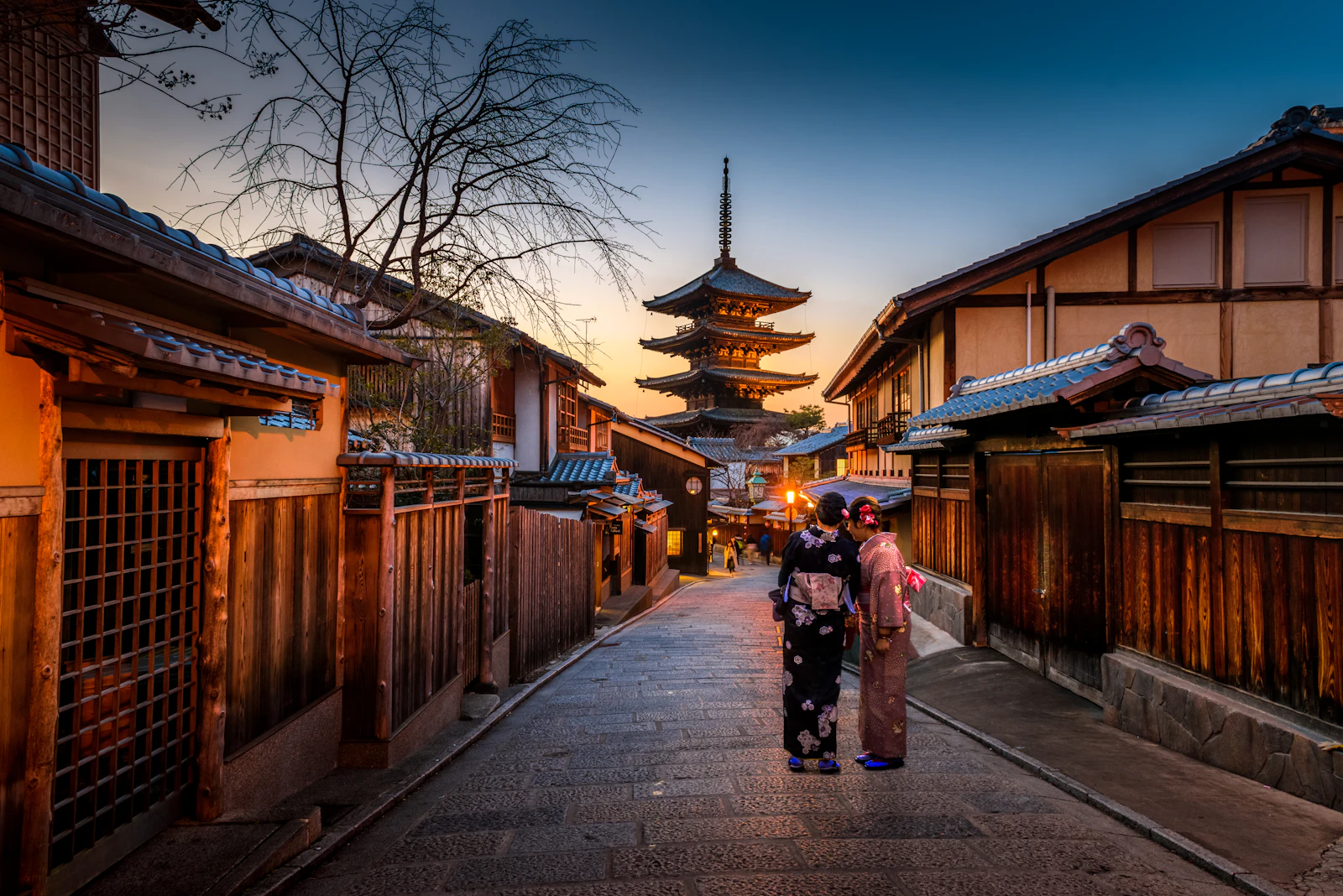
Kyoto in Four Seasonal Moods
Spring: anticipation, blossoms, and crowded beauty
Spring is associated with cherry blossoms, but the season is longer and less predictable than a calendar image suggests. Buds, fallen petals, and fresh green leaves each create a different city. Popular riverside paths and temple approaches can become very busy when blossoms are at their peak, so consider an early start and a willingness to visit less-famous streets afterward. The most considerate habit is to admire flowers without climbing fences, blocking entrances, or treating private homes as scenery.
Plan a morning for a garden or temple area, then move slowly through a residential neighborhood where the interest lies in details: noren curtains, bicycles, small planting beds, and carefully maintained wooden fronts. In the evening, let the day end with a simple meal rather than another major landmark. Spring light is soft, but the emotional texture of the city comes from noticing how residents use these spaces after visitors have moved on.
Summer: deep green, rain, and evening air
Kyoto summers can be hot, humid, and wet. That is not a reason to avoid them; it is a reason to adjust your rhythm. Visit outdoor sites in the morning, keep midday flexible, and carry water, sun protection, and a compact rain layer. A sudden shower can transform stone paths and gardens, while the deep green of the hills gives the city a lush character that photographs do not always capture.
Summer also encourages a different kind of evening. After resting during the hottest part of the day, take a gentle walk along a riverside or through a lantern-lit district while remaining mindful of residents and businesses. Stay on public paths, keep voices low, and avoid assuming that a quiet lane is an invitation to explore private doorways or restricted areas. If rain changes your plans, choose a museum, craft experience, covered market, or tea room, and treat the change as part of the trip rather than a failure of it.
Autumn: color, clarity, and the art of waiting
Autumn is celebrated for foliage, and the hills around Kyoto can be spectacular. It is also a season when popular viewpoints fill quickly. Instead of trying to predict the single perfect day, build an itinerary with several kinds of scenery: a temple garden, a hillside walk, a canal or river, and a neighborhood street. Leaves change at different times and elevations, so variety improves your chances of seeing color without turning the trip into a chase.
Wear comfortable shoes and allow more time than a map suggests. A short distance can take longer when paths are uneven, trains are busy, or you pause to look. Autumn invites contemplation: watch the wind move through branches, notice the contrast between dark timber and bright leaves, and accept that a cloudy day may reveal colors more subtly than strong sun.
Winter: quiet streets and precise light
Winter is often the season for travelers who value space and atmosphere over spectacle. The air can be cold, and some gardens may look spare, but that restraint is part of Kyoto’s character. Bare branches reveal rooflines and stone walls; steam from a bowl of noodles feels especially welcome; and a quiet temple approach can make a familiar place feel newly personal.
Pack layers, protect electronics from damp weather, and plan shorter outdoor stretches with warm indoor pauses. Winter is also a good time to focus on food, craft, architecture, and conversation rather than trying to see every garden at its most colorful. A respectful traveler does not demand seasonal drama from a place. Kyoto in winter offers texture, silence, and clarity.

A Practical Four-Day Kyoto Framework
A flexible itinerary is more useful than a checklist. The following framework can be shortened or expanded, and it leaves room for weather and energy.
Day one: orient yourself on foot
Choose a central base and spend the first day understanding the city’s scale. Walk through one historic district, visit a modest shrine or garden, and stop for lunch somewhere that looks welcoming rather than famous. Use public transport for the return journey if your feet are tired, but avoid packing several distant districts into one afternoon. In the evening, review the next day’s route and check local etiquette for any reserved cultural activity.
Day two: start early, then slow down
Begin with one major site before peak visitor numbers, following posted directions and photography rules. Afterward, move into a nearby neighborhood instead of immediately crossing town. Look for a small gallery, a traditional craft storefront, or a quiet street where daily life continues. Keep your camera ready, but ask before photographing people, ceremonies, or interiors. A respectful “no photo” is part of the experience, not an obstacle to it.
Day three: choose a green edge
Set aside a half-day for a hillside, river corridor, or temple-and-garden area. Check your footwear, carry water, and do not underestimate slopes or summer heat. Let the second half of the day remain open. You might return to a favorite area, attend a workshop, or simply sit with a drink and write down what you have noticed. This unstructured time often becomes the day you remember most clearly.
Day four: follow a theme
Use the final day to explore a personal interest: architecture, tea culture, ceramics, vegetarian cooking, gardens, local sweets, or contemporary art. A themed day connects places that may be scattered across the map and gives your trip a sense of purpose. Before leaving, revisit one ordinary location—a bridge, station, or neighborhood street—and notice how your perception has changed since arrival.
Planning Details That Make the Journey Better
Move with the city, not against it
Kyoto’s buses, trains, subways, bicycles, and walking routes each work best in different situations. Learn the basic route before leaving your accommodation and carry a map or offline directions in case connectivity is unreliable. Public transport can be crowded; allow passengers to exit before boarding, queue where indicated, and keep luggage from blocking aisles. If you use a bicycle, follow local road rules and park only where permitted.
Reserve only what truly needs a reservation. A crowded schedule can turn every delay into stress, while a balance of fixed and flexible plans lets you respond to rain, fatigue, and unexpected discoveries. Comfortable shoes matter more than an ambitious daily distance.
Eat with curiosity and care
Try foods that suit your preferences, but communicate dietary needs clearly and in advance when possible. Not every kitchen can accommodate every allergy or restriction, and translation apps are useful but not infallible. Eat in designated areas, avoid carrying open food through crowded streets, and follow a business’s guidance about seating, ordering, and payment. A small, busy restaurant may have a different rhythm from a casual takeaway counter; observe first and adapt graciously.
Understand that beautiful places are also lived-in places
Gion, temple neighborhoods, shopping streets, and residential lanes are not open-air sets. Keep voices down, do not follow or photograph geisha or other performers without clear consent, and never enter private alleys, doorways, or properties for a better picture. Respect signs, barriers, and requests from staff. Buying a small item from a local business is not a license to linger where customers or residents need space.
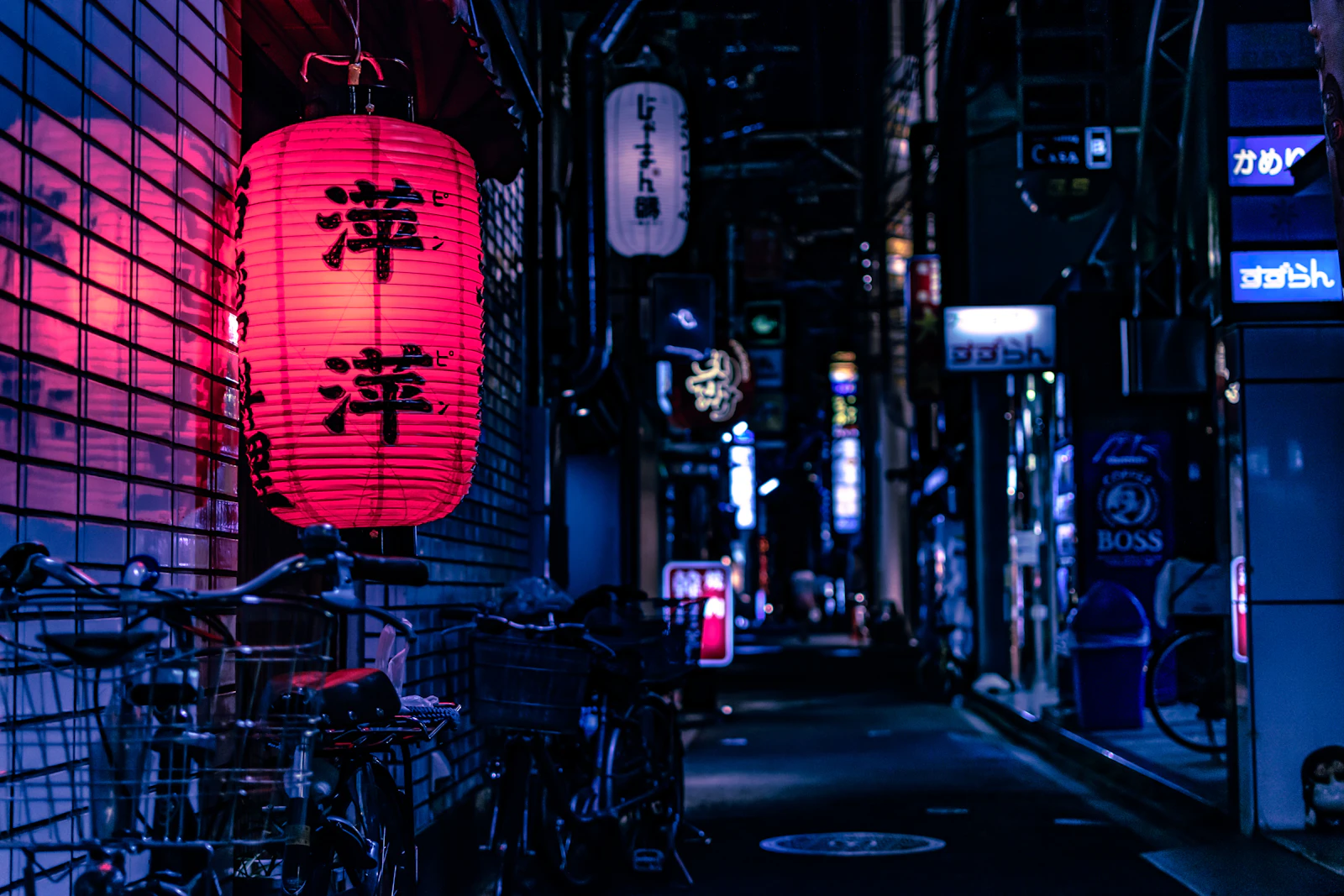
Safety and Responsible-Travel Guidance
Kyoto is generally approachable for independent travelers, but ordinary precautions still matter. Keep valuables secure in crowded areas, know how to contact your accommodation, and share your broad plans with someone you trust. Take weather warnings seriously, especially during heavy rain, heat, or strong winds. On hills and forest paths, stay on marked routes and turn back when conditions deteriorate. If you have mobility concerns, research surfaces, slopes, and transport transfers before committing to a route.
Responsible travel is also about reducing pressure. Visit outside the busiest windows when possible, spread spending across different neighborhoods, and choose locally run businesses that treat staff and surroundings well. Carry reusable essentials where practical, sort waste according to local instructions, and do not leave offerings or objects where they do not belong. Protecting a garden can be as simple as staying on the path; protecting a neighborhood can be as simple as speaking quietly and moving along when a lane is clearly residential.
A Neutral Note About Optional Trip Planning Resources
If you encounter an unfamiliar travel-planning or destination resource while organizing your trip, review it independently before taking any action. Use the destination page to verify what is actually offered, read the current terms, check any privacy or payment information, and make sure the details fit your needs. No assumption should be made about an unknown destination or service based only on a link.
For readers who want to inspect one optional resource, <a href="رابط العرض" rel="nofollow sponsored noopener" target="_blank">verify the destination page and its terms here</a> before deciding whether it is relevant. This is not a recommendation of specific features, availability, pricing, or suitability.
Conclusion: Let Kyoto Change Pace
The richest Kyoto itinerary is not necessarily the one with the most names on it. It is the one that gives you enough time to notice transitions: from bright street to shadowed garden, from rain to clear air, from busy station to quiet lane, from visitor to more attentive guest. Choose a season for its actual mood rather than its reputation, build a plan with breathing room, and let local rules guide your behavior.
Beyond the postcard, Kyoto is a city of practiced care. Its gardens, meals, crafts, streets, and seasonal celebrations ask you to look closely and take less. If you leave with fewer photographs than expected but a deeper memory of light on a roof, a courteous exchange, or a path walked slowly, the journey has done its work.
Affiliate disclosure
This article contains one affiliate link. If you choose to visit it or take an action through it, the publisher may receive compensation at no additional cost to you. The link is provided for optional review only; verify the destination page, terms, privacy information, and suitability independently before proceeding.


ليست هناك تعليقات