
A Vienna and Salzburg Journey: Music, Markets, Mountains, and Practical Tips
A Vienna and Salzburg Journey: Music, Markets, Mountains, and Practical Tips
Classification: Europe

Introduction: Two Austrian cities, one richly varied journey
Austria rewards travelers who like contrast. In Vienna, grand avenues, coffeehouse culture, imperial architecture, concert halls, and neighborhood markets create a city experience that feels polished yet lived-in. In Salzburg, the scale becomes gentler: baroque streets lead toward a river, fortress views open onto mountain scenery, and music is woven into the city’s identity rather than kept behind a theater curtain. Put the two together and you get a trip that can move from urban elegance to alpine perspective without requiring a complicated route.
This guide is designed for a first journey to both cities, whether you have five days or a little longer. It focuses on a flexible rhythm rather than a checklist: use Vienna for deep cultural days, Salzburg for scenic wandering, and the travel day between them as part of the experience. The best plan leaves room for an unhurried breakfast, a market discovery, or a weather-related change of mind.

Why this pairing works
Vienna and Salzburg are different enough to feel distinct, but connected enough to make a natural itinerary. Vienna offers breadth: art museums, palaces, design shops, parks, music venues, and a broad selection of districts to explore. Salzburg offers concentration. Its historic center is compact, and the surrounding hills and mountains make it easy to combine culture with outdoor views.
The journey also creates a satisfying change of pace. You can begin with the energy of a capital city, learn how to navigate Austria’s transport and dining customs, and then arrive in Salzburg ready to walk more slowly. Travelers who dislike changing hotels every night can stay several nights in each place, while those with extra time can add a countryside excursion after getting oriented.
A practical itinerary at a glance
Days 1–3: Vienna at a comfortable pace
Day 1 — Arrival and orientation. Keep the first day light. Check in, learn the easiest route to a central landmark, and take a short walk through the neighborhood rather than crossing the entire city. A first evening might include a traditional meal, a coffeehouse stop, or a simple stroll along a well-known boulevard. If jet lag is strong, an early night is a better investment than a packed schedule.
Day 2 — Imperial Vienna and the historic center. Build a walking loop around the old city and choose one major interior visit rather than trying to see every palace and museum. Allow time to notice details: courtyards, carved doorways, church interiors, and the transition between monumental streets and quieter lanes. Reserve a concert, opera, or other performance in advance if it is central to your trip, and check the venue’s current seating, dress, and arrival guidance before going.
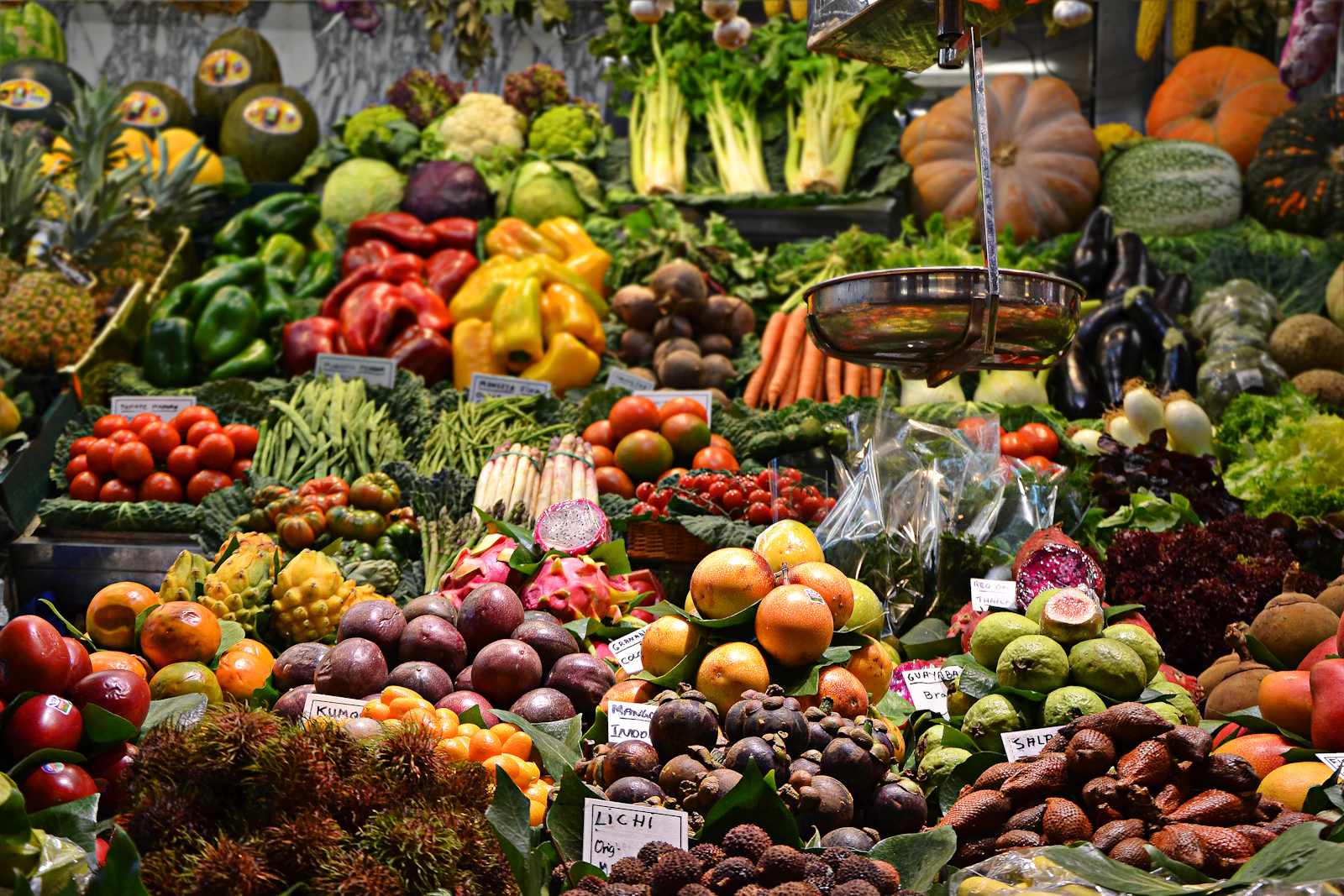
Day 3 — Art, markets, and local neighborhoods. Pair a museum or gallery with a market visit. Naschmarkt is a familiar option for browsing food stalls and international flavors, but the broader lesson is to look beyond headline attractions: neighborhood bakeries, produce stands, and small cafés can reveal daily life more clearly than a hurried landmark tour. Finish with a park walk or a relaxed dinner outside the busiest center.
Days 4–6: Salzburg and its surroundings
Day 4 — Travel to Salzburg and settle in. Use the rail journey as a reset rather than squeezing in another major sight before departure. Once in Salzburg, walk beside the river and get your bearings in the historic center. From the bridges and riverbanks, you can understand the city’s layout quickly. Choose a restaurant within easy reach of your accommodation and keep the evening unhurried.
Day 5 — Historic Salzburg and music. Explore the old town, look up at the fortress, and select one or two interiors that genuinely interest you. Music lovers can plan a performance or visit a music-related site, but you do not need a specialized background to enjoy the city’s soundscape. A short guided walk can help explain the relationship among the river, old town, hills, and civic buildings; an independent walk afterward lets you revisit favorite places at your own speed.
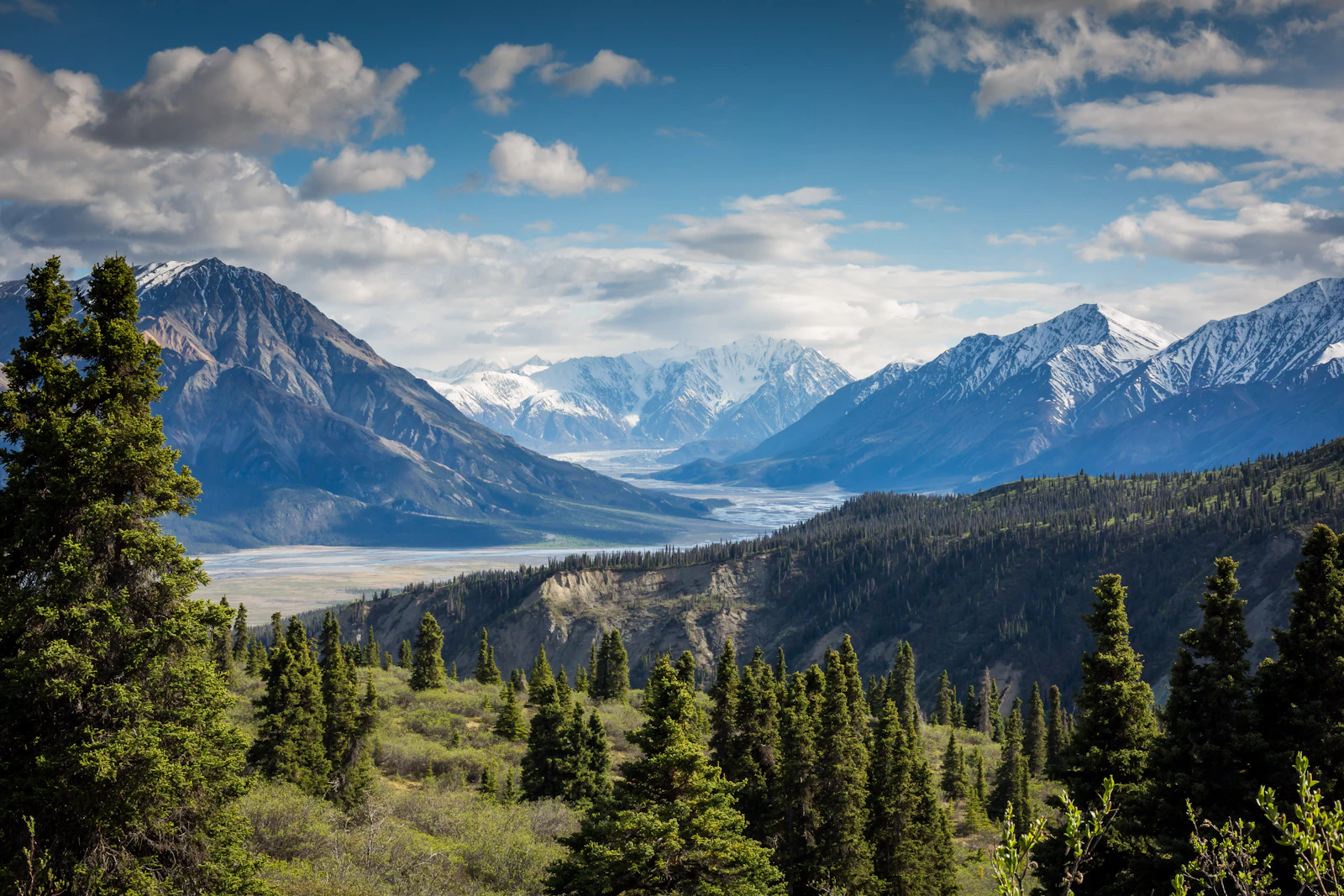
Day 6 — A mountain or lake day. Choose an outing based on weather, fitness, and transport confidence. Nearby hills, lakes, and mountain viewpoints can be approached in different ways, from an easy scenic ride to a more demanding hike. Confirm the route, last return connection, trail conditions, and any seasonal closures before leaving. Carry water, a layer for changing temperatures, and a backup plan in case cloud or rain removes the view.
If you have seven or more days, add a buffer day in either city. Extra time is especially valuable in Salzburg when the forecast is unsettled, and in Vienna when you want to visit a museum without rushing through it.
What to eat and how to approach markets
Food can be an itinerary anchor without becoming a food tour. In Vienna, try a classic café setting for coffee and cake, then balance it with a casual market meal or a neighborhood restaurant. In Salzburg, look for regional dishes and bakery items, and treat a market or small grocery as an opportunity to assemble a picnic for a river walk or viewpoint.
Markets are best approached with curiosity and courtesy. Go earlier if you want a calmer browse, but do not assume every stall follows the same schedule; check locally on the day. Ask before photographing vendors or products, keep bags close in crowded aisles, and carry a reusable bag. If you have allergies or dietary restrictions, learn a few relevant German phrases and confirm ingredients rather than relying on a visual guess. Austria has excellent food, but menus and preparation practices vary from place to place.
Music without overplanning
Music is one of the pleasures that links this route, yet it does not have to dictate every hour. In Vienna, an evening performance can be the centerpiece of a day spent exploring at a slower pace. In Salzburg, music may appear through formal concerts, historic associations, street performers, or the simple acoustics of a church or square.
When choosing an event, use the official venue or organizer as your starting point, read the full terms, and distinguish a professional performance from a promotional package that merely uses a famous name. Check the language of the program, seating location, duration, accessibility, and cancellation policy. Avoid buying from a street tout if the seller cannot clearly explain the venue and ticket conditions. A small chamber performance may suit you better than a grand production, especially after a full day outdoors.
Getting around and planning well
Public transport and walking are strong foundations for both cities. Before arrival, save your accommodation address, the nearest station or stop, and a map area for offline use. Vienna is large enough that combining walking with trams, buses, or rail can preserve your energy. Salzburg’s center is compact, but cobblestones and pedestrian streets make comfortable shoes essential.
For the Vienna–Salzburg transfer, compare the direct rail options with your actual hotel locations and luggage needs. Book when a fixed departure matters, but keep your plan realistic: station transfers, platform changes, and a short walk after arrival all take time. If you are traveling with bulky luggage, check storage rules and choose a connection that gives you breathing room.
Accommodation location matters more than a room with a famous view. In Vienna, being close to a reliable transport connection can be more useful than staying directly beside the most visited sights. In Salzburg, a position near the center or a well-connected outer district can work; compare walking distance, evening noise, and the route back after a performance. Read current cancellation and check-in instructions carefully, especially when arriving late.
A simple packing strategy
Pack layers rather than one heavy outfit. City days may involve warm interiors and cool mornings, while mountain weather can change quickly. Add a compact rain layer, supportive shoes, a refillable bottle, a small day bag, and a power bank. Keep identification, medication, and essential documents in your carry-on. If hiking is part of the plan, bring footwear with real grip; ordinary city sneakers may not be enough on wet or uneven paths.
Safety and responsible travel
Austria is generally straightforward for visitors, but good habits still matter. Keep a phone and wallet secure on crowded transport and in busy market areas, use licensed taxis or reputable ride services, and avoid displaying large amounts of cash. Save emergency contacts and your accommodation details before heading out. If you are hiking, tell someone your route, check the weather, and turn back early when conditions become uncertain. Mountain scenery is beautiful, but a viewpoint is never worth an unsafe decision.
Respect is part of responsible travel. Keep noise down in residential courtyards and shared accommodation, follow signs at historic sites, and do not climb on fragile structures for a photograph. Stay on marked paths in natural areas, take litter with you, and avoid disturbing wildlife. Public fountains, steps, and park edges are not automatically picnic or swimming areas; follow local signs and norms.
Accessibility and inclusion deserve advance planning. Historic buildings can include stairs, uneven paving, or limited lift access, so contact venues directly about current arrangements. Travelers with mobility, hearing, visual, dietary, or other needs should confirm details rather than assuming that a central location guarantees easy access. A little communication before departure can make the trip more relaxed for everyone.
Travel slowly enough to support local life. Choose independent cafés and shops when possible, refill a bottle instead of buying single-use plastic, and consider a longer stay rather than adding a rushed third destination. If a popular photo spot is crowded, move on and let residents use their own streets. The goal is not to collect proof of arrival; it is to leave with a better understanding of the places you visited.
A flexible planning checklist
Before you go, confirm passport and entry requirements for your nationality, travel insurance coverage, accommodation check-in instructions, and any reservations that are genuinely important to you. Save offline copies of confirmations, but protect personal data on shared networks. Check the weather forecast shortly before each day trip, not just before departure.
During the journey, reserve your energy for the experiences you care about most. Select one anchor activity per day, then add nearby sights only if time and mood allow. Mark a few rainy-day alternatives in Vienna and Salzburg, and keep at least one open half-day for wandering. This approach reduces the temptation to turn a beautiful trip into a race between addresses.
Affiliate disclosure and a neutral planning note
Affiliate disclosure: This article may contain one sponsored affiliate link. If you choose to use it, this blog may earn a commission at no additional cost to you. The link is provided as a general planning resource, not as an endorsement or a guarantee about any destination, service, price, availability, or outcome. Please verify the destination page, provider details, and all terms before taking action.
For readers comparing travel ideas, you can <a href="رابط العرض" rel="nofollow sponsored noopener" target="_blank">review the destination page and its terms here</a> before making any decision. Verify what the page actually offers, who operates it, applicable restrictions, and cancellation or refund conditions.
Conclusion: Leave room for the unexpected
A Vienna and Salzburg journey works because it offers several kinds of reward at once: architecture and everyday neighborhoods, formal music and spontaneous sound, market browsing and memorable meals, urban comfort and mountain air. Plan the essential logistics, but protect time for the unplanned moments—a quiet courtyard, a changing sky over the hills, or a café where you decide to stay for one more cup.
With a few sensible reservations, layers for variable weather, secure travel habits, and respect for residents and landscapes, this route can be both culturally rich and easy to manage. Let Vienna teach you to look closely, let Salzburg draw you outdoors, and allow the journey between them to become part of the story rather than a gap between destinations.


No comments