
Portugal Coast to Countryside: A Flexible Itinerary for Food, History, and Views
classification: Europe
Portugal Coast to Countryside: A Flexible Itinerary for Food, History, and Views
Portugal is wonderfully easy to love, but it is even easier to rush. A first visit can tempt you into collecting landmarks: a tiled church in Porto, a viewpoint in Lisbon, a beach in the Algarve, and a vineyard somewhere inland. The more rewarding approach is to slow the route down and let the country change gradually from Atlantic waterfront to historic town, working farmland, and mountain horizon.
This flexible itinerary is designed for travelers who want a balance of food, history, and scenery without treating a holiday like a race. It can work as a week-long outline with careful choices, or as a longer trip with extra nights in places that suit your pace. You can travel north to south, south to north, or use Lisbon as a base for a shorter loop. The key is to choose two or three regions and leave room for weather, long lunches, and the unexpected village that deserves an unplanned stop.

How to shape the route
Portugal has a compact feel on a map, yet journeys take longer when you account for winding roads, city traffic, stops for viewpoints, and the desire to explore on foot. Rather than changing hotels every night, think in anchors. Lisbon, Porto, the central coast, the Alentejo, or the Algarve can each serve as a base for several days.
A useful rule is to pair a city with a slower rural or coastal section. For example, combine Lisbon with the Sintra coast or the Alentejo; combine Porto with the Douro Valley or the Costa Verde; or combine the Algarve with a few inland villages. This creates contrast without requiring a complicated itinerary.
Transport choices
Trains and buses can make travel between major cities straightforward, while a rental car is more useful for small villages, beaches away from urban centers, and countryside viewpoints. You do not need a car for every day. Consider using public transport in Lisbon or Porto, then renting a car only when you leave the city. Check road rules, toll arrangements, parking restrictions, and the rental company’s cross-border or insurance conditions before collecting a vehicle.
If you prefer not to drive, build the trip around places connected by rail or regular coach services and plan local excursions through reputable operators. Confirm the return point, cancellation policy, accessibility, and what is included before booking. A flexible itinerary is not the same as an unplanned one; a little checking can prevent an expensive or stressful day.
Days 1–2: Lisbon, layers of history and everyday flavor
Begin in Lisbon with time to wander rather than a checklist. The city’s hills make walking rewarding and tiring in equal measure, so group nearby sights together. Explore one historic neighborhood in the morning, stop for a long lunch, and reserve the afternoon for a riverfront walk, a museum, or a viewpoint. Comfortable shoes matter more than a tightly packed schedule.
Lisbon’s history is visible in its street plan, tiled façades, grand squares, and buildings shaped by different eras. You can learn more by choosing one or two museums or monuments that genuinely interest you instead of attempting every major attraction. Look for context in small details: a carved doorway, a traditional tile pattern, a neighborhood market, or the way a steep lane opens toward the water.
Food is a natural way to understand the capital. Try a mix of familiar Portuguese staples and regional specialties, and ask the server what is particularly good that day. A meal built around soup, grilled fish, vegetables, bread, or a simple rice dish can be as memorable as a famous pastry. If you visit a busy food hall or market, arrive with patience and keep valuables secure in crowded areas.
The evening is a good time to enjoy live music or simply sit in a neighborhood square. If you seek fado, choose a venue that explains its performance and supports the musicians rather than treating the experience as a noisy photo opportunity. Listening respectfully is part of the evening.
Day 3: Sintra and the Atlantic edge
From Lisbon, make a day trip or overnight stay in the Sintra area, depending on your tolerance for crowds and hills. The historic estates and wooded landscape offer a sharp change from the capital. Start early enough to avoid compressing several major sites into one hurried morning, and wear shoes suitable for uneven paths.
After exploring the cultural sights, continue toward the Atlantic coast if transport and daylight allow. The scenery becomes more open and dramatic, with cliffs, beaches, and broad views. Stay behind barriers at cliff edges, follow marked paths, and never assume a calm-looking sea is safe for swimming. Wind and waves can change quickly.
A night near the coast can make this section feel less like a rushed excursion. Have dinner locally, check the next day’s travel conditions, and let the ocean be the main event. You do not need to fill every hour with an attraction.
Days 4–5: The central coast, monasteries, and small-town meals
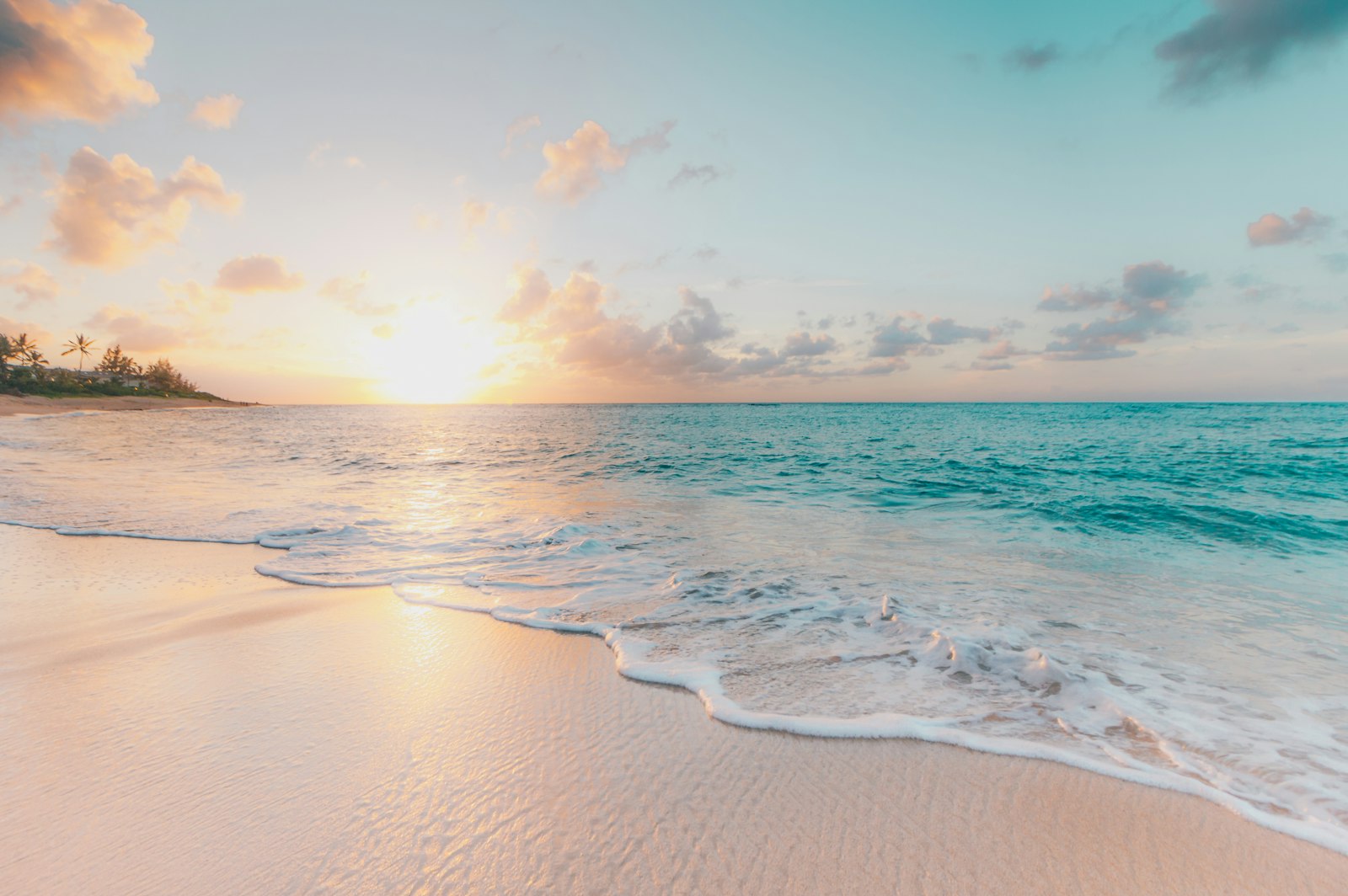
Travel north along the central coast, choosing one base rather than trying to visit every beach town. This is a strong part of the country for travelers who like a blend of maritime scenery and historic architecture. Depending on your route, you might explore a fishing community, a walled town, a monastery, or a ceramics tradition. Give yourself permission to skip a famous stop if the parking or crowds would undermine the day.
Historic religious buildings and fortified towns reward slow observation. Notice the scale of the stonework, the cool interior air, and the way local life continues around a monument. Dress appropriately for places of worship, keep voices low, and follow photography rules. These are working cultural spaces as well as tourist sights.
For lunch, look for restaurants busy with local diners, but do not treat a queue as a guarantee of quality. Ask about portion sizes and whether a dish is intended for sharing. Portuguese meals often become more convivial when everyone orders a few things for the table. Try seafood where it is responsibly sourced, seasonal produce, regional cheeses, and desserts that are made in-house when possible.
If you are driving, use the central coast as a chance to practice a gentle rhythm: one destination before lunch, one walk after lunch, and a scenic stop on the way back. The route will feel richer than a string of brief photo stops.
Days 6–7: Porto and the Douro option
Porto brings a different urban mood. The city’s steep streets, riverfront, bridges, and historic buildings create a compact but layered place to explore. Spend one day crossing neighborhoods on foot, allowing time for coffee, a market or bakery stop, and a viewpoint. The best views often require a climb, so plan around your energy rather than trying to conquer every hill.
Set aside time to understand the city’s relationship with the Douro River and the wider northern region. Port wine is associated with the area, but the local food scene extends well beyond a single drink. Sample hearty dishes, grilled fish, sandwiches, pastries, and regional wines according to your preferences. If you drink, alternate with water and arrange a safe way back to your accommodation.
With an extra day, choose between a Douro Valley outing and a slower coastal or northern countryside route. A valley excursion is especially scenic, but roads can be winding and boat or tour schedules may limit spontaneity. Check the full itinerary before booking and avoid stacking a demanding excursion immediately after a long transfer. Travelers without a car can use a guided day trip or public transport where practical; travelers with a car should never drive after tasting wine.
Optional extension: Alentejo or the Algarve
If you have three or more additional nights, head south for a contrasting landscape. The Alentejo offers open horizons, cork and olive landscapes, whitewashed towns, and a food culture that rewards lingering. Base yourself in one town and make short drives rather than attempting a broad sweep. The region is a good place to visit a small producer, walk a quiet historic center, or enjoy an unhurried dinner.
The Algarve is more than a beach strip. Coastal paths, fishing communities, inland villages, and market towns provide different experiences depending on the season and your interests. Choose one western, central, or eastern section rather than assuming you can see the whole region in a day. Coastal walks can be exposed to sun and wind; carry water, protect yourself from the sun, and stay on marked routes.

A practical planning checklist
Book the first and last nights thoughtfully. Choose accommodation with a simple arrival route and allow a buffer before a flight or long onward journey. For rural stays, confirm the access road, check-in process, and whether you need a car.
Keep the middle flexible. Reserve major accommodations or experiences that are likely to fill, but do not pre-book every lunch and viewpoint. A weather day can be used for a museum, market, cooking class, or a longer café stop.
Pack for movement. Bring layers, a light rain shell, comfortable walking shoes, sun protection, and a reusable water bottle. Coastal wind can make a warm day feel cool, while tiled streets and stone paths can be hard on feet.
Use simple travel etiquette. Learn a few Portuguese greetings, ask before photographing people, and keep voices low in residential streets. Do not block narrow pavements for photos. When visiting beaches or trails, take rubbish with you and avoid removing shells, plants, or stones.
Check access needs in advance. Hills, cobbles, stairs, and older buildings can make some sights challenging. Contact accommodation and attractions directly about step-free access, transfers, luggage storage, or dietary requirements rather than relying on assumptions.
Safety and responsible travel
Portugal is generally welcoming to visitors, but ordinary travel awareness still matters. Keep a close eye on bags in crowded transport areas and busy historic districts, use official taxis or clearly identified ride services, and store important documents securely. If driving, avoid leaving luggage visible in a parked car and take extra care on narrow rural roads.
Respect the Atlantic. Read local warnings, obey beach flags and lifeguard instructions, and do not climb unstable cliffs for a better photograph. On countryside walks, tell someone your plan when the route is remote, carry enough water, and check weather conditions. Wildfire risk can be serious in hot, dry periods; follow restrictions and never light a fire where it is not explicitly permitted.
Responsible travel also means spreading your spending. Eat at independent businesses, buy locally made goods, and consider visiting less-pressured destinations outside the busiest hours. Refill water where safe, reduce single-use plastic, and use public transportation when it fits your route. A slower trip usually creates fewer transfers, less stress, and more meaningful contact with local places.
Neutral resource note
If you are comparing trip-planning resources, you may <a href="رابط العرض" rel="nofollow sponsored noopener" target="_blank">review the destination page here</a>. It is an unfamiliar third-party destination page, so verify what destination it describes, what is included, availability, cancellation rules, privacy information, and all terms before taking any action. You are not required to use it, and the itinerary above does not depend on it.
Affiliate disclosure
This article contains one affiliate link. If you choose to visit that third-party page or make a qualifying purchase through it, the site owner may receive a commission at no extra cost to you. The link is included as a neutral resource option, not as a guarantee, endorsement of unknown offers, or substitute for checking the destination page and its terms.
Conclusion: leave room for the country to surprise you
A Portugal trip works best when the route has a backbone but not a cage. Begin with the energy of Lisbon or Porto, add a coastal stretch, and then trade busy streets for a historic town, vineyard landscape, or rural road. Eat with curiosity, learn the story behind the places you visit, and let weather and local advice shape the details.
Whether you have seven days or several weeks, the goal is not to collect every postcard view. It is to notice how the Atlantic, old stone, fertile countryside, and everyday meals fit together. Build a plan that protects your energy, spend responsibly, and leave a little space for the unplanned turn. That is often where Portugal becomes most memorable.


No comments